Fuel Systems for Critical Infrastructure: Petroassist’s Expertise in High-Availability Environments
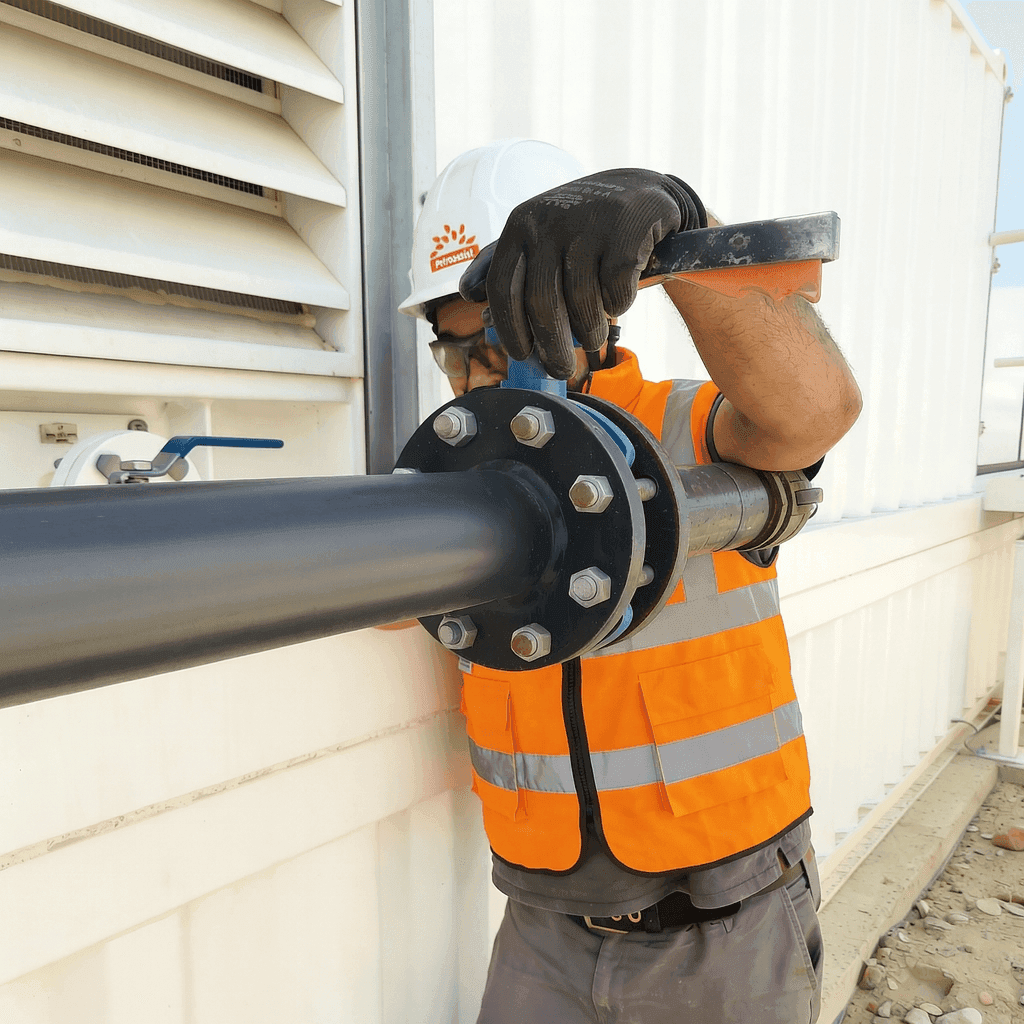
In critical infrastructure, operational continuity is essential. Data centers, hospitals, industrial facilities, and other high-availability environments rely on backup power systems to maintain operations during grid disruptions.
At the core of every backup power strategy is a reliable fuel supply infrastructure, engineered to deliver fuel safely, continuously, and in full compliance with applicable regulations.
As part of the Petrotec Group, Petroassist builds on decades of industrial expertise in fuel infrastructure and energy systems, supporting clients in environments where downtime is not an option.
Mechanical Fuel Installations for Critical Systems
Petroassist specializes in the design, engineering, and implementation of mechanical fuel installations for critical infrastructures.
These systems are engineered to operate efficiently during normal conditions and to remain dependable during emergencies, when backup generators become essential to maintaining operations.
Petroassist’s approach is built on three pillars:
· Safety
· Reliability
· Regulatory compliance
This foundation ensures each installation is designed to meet the technical and operational standards required for high-availability environments.
Customized Fuel System Architectures for High Availability
Every critical facility has unique operational requirements, including autonomy targets, risk tolerance, layout constraints, and continuity objectives.
For this reason, Petroassist develops tailored fuel system solutions aligned with each client’s availability and criticality needs. Typical design characteristics include:
· Continuous fuel supply to support uninterrupted generator operation during power outages
· Redundant architectures designed to minimize risk and reduce single points of failure
· Automation and control to enable monitoring, remote visibility, alarms, and safer system management
By integrating these elements, Petroassist helps ensure fuel infrastructures remain operational, reliable, and responsive in demanding conditions.
Compliance Built Into Every Project Stage
Fuel installations require strict adherence to regulatory frameworks to guarantee safety and operational integrity.
Petroassist operates in compliance with applicable requirements, including the Petroleum Installations Regulation and relevant Technical Instructions (e.g., MI-IP), integrating compliance into every stage of the project lifecycle, from engineering design to commissioning and legalization.
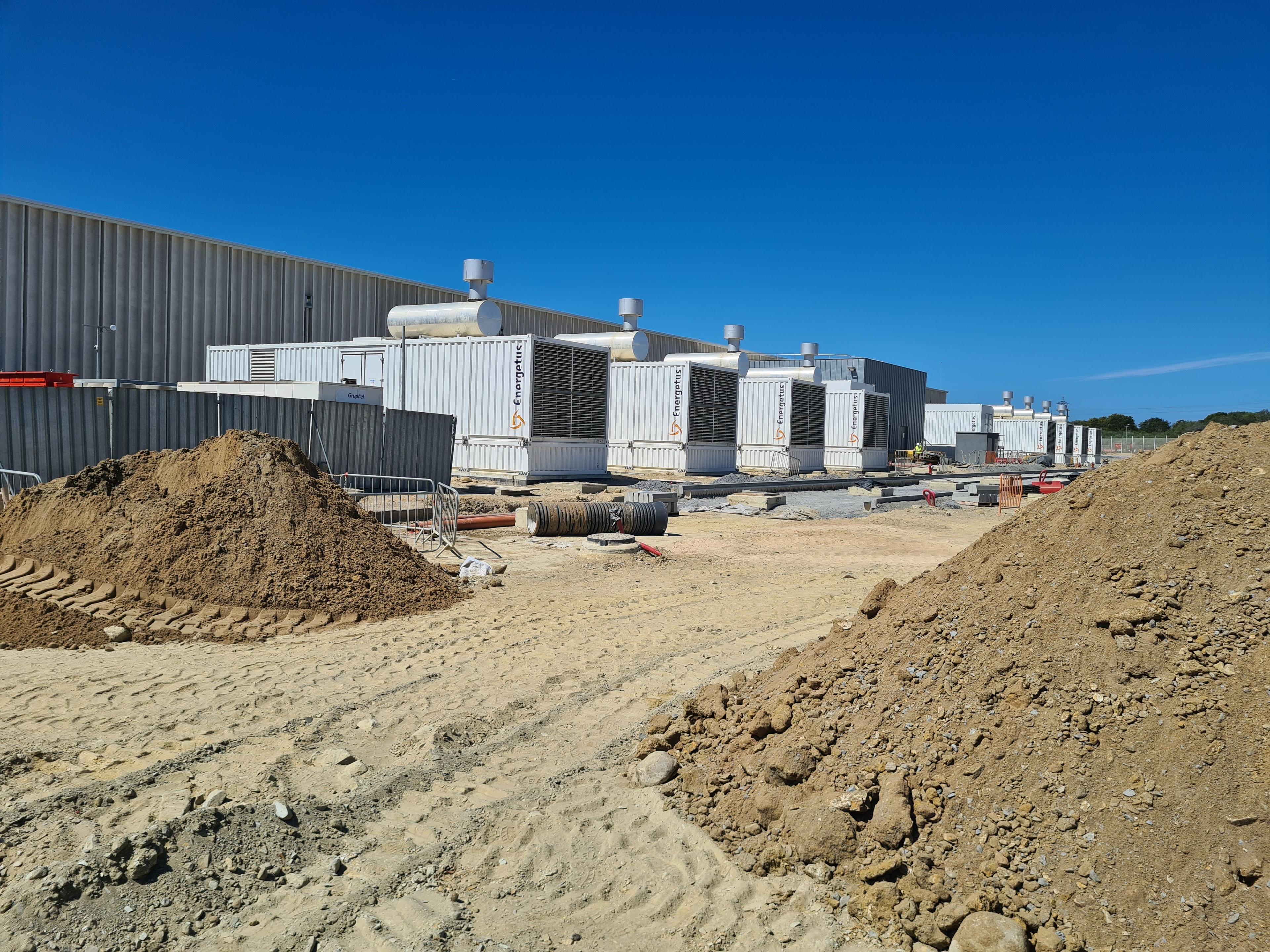
Rigorous Procedures Across the Full Project Lifecycle
To ensure reliability and long-term safety, Petroassist applies a structured methodology throughout all phases:
· Engineering design aligned with regulatory standards
· Selection of certified materials
· Execution by qualified and experienced personnel
· Comprehensive testing, commissioning, and full legalization
This systematic approach supports both technical performance and operational assurance over the system’s lifespan.
Safety as a Core Principle
In fuel infrastructure projects, safety is a fundamental priority.
Petroassist designs and executes installations with strict safety protocols to minimize operational risk and protect both personnel and infrastructure. Safety is addressed through engineering choices, certified material selection, and operational procedures, ensuring reliable performance across the system lifecycle.
A Trusted Partner for Mission-Critical Environments
Petroassist delivers confidence in environments where failure is not an option. As part of the Petrotec Group, Petroassist combines technical and regulatory expertise with proven experience in critical installations and the ability to design robust, tailored solutions.
Result: fuel infrastructures designed to support backup power strategies and help protect operational continuity where availability is essential.
Planning a new fuel installation or upgrading an existing backup power fuel system? Contact Petroassist to discuss requirements for redundancy, autonomy, compliance, and monitoring, and to assess the most suitable architecture for your critical environment
Related
Read all news
How much does your fleet cost? Fleetsys 7 tells you in detail
Petrotec invites you to the forecourt of the future